


Spring Jackets
Explore categories
Filters
9 products





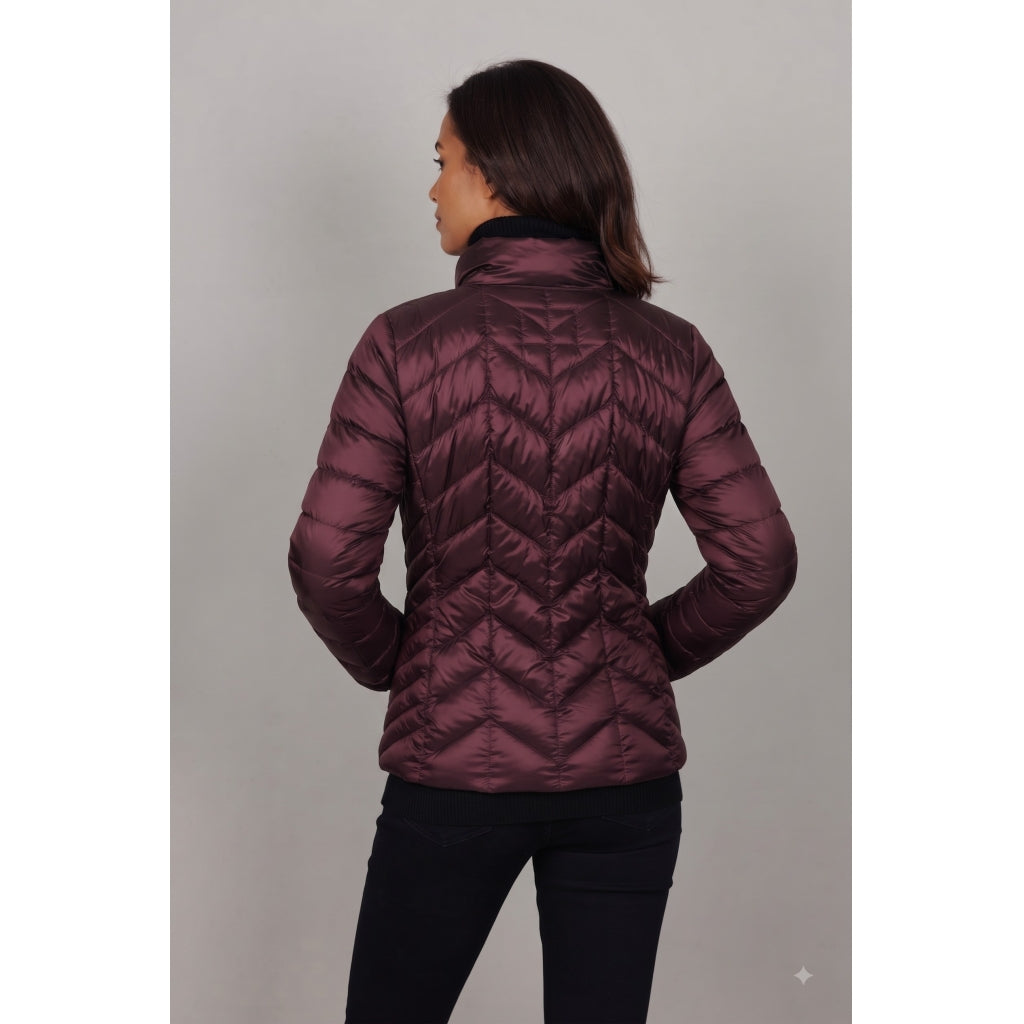
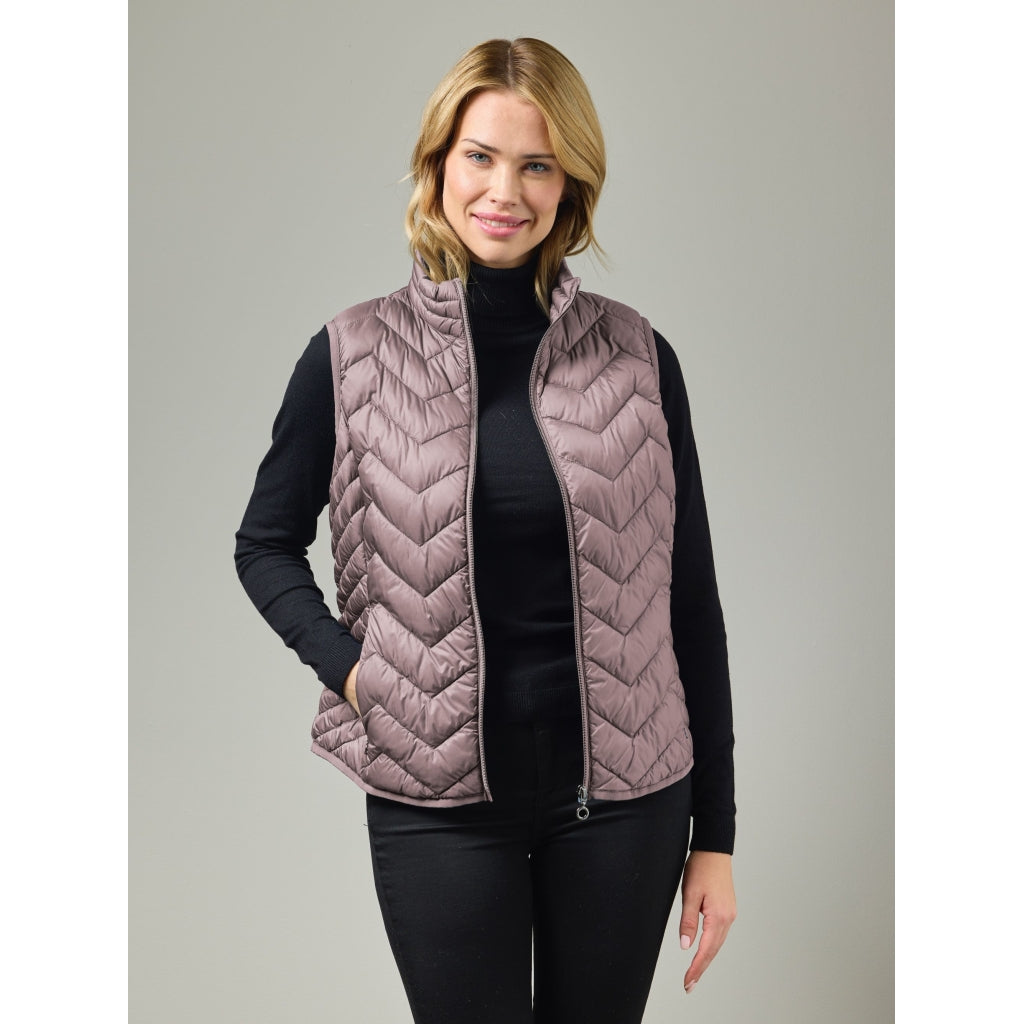
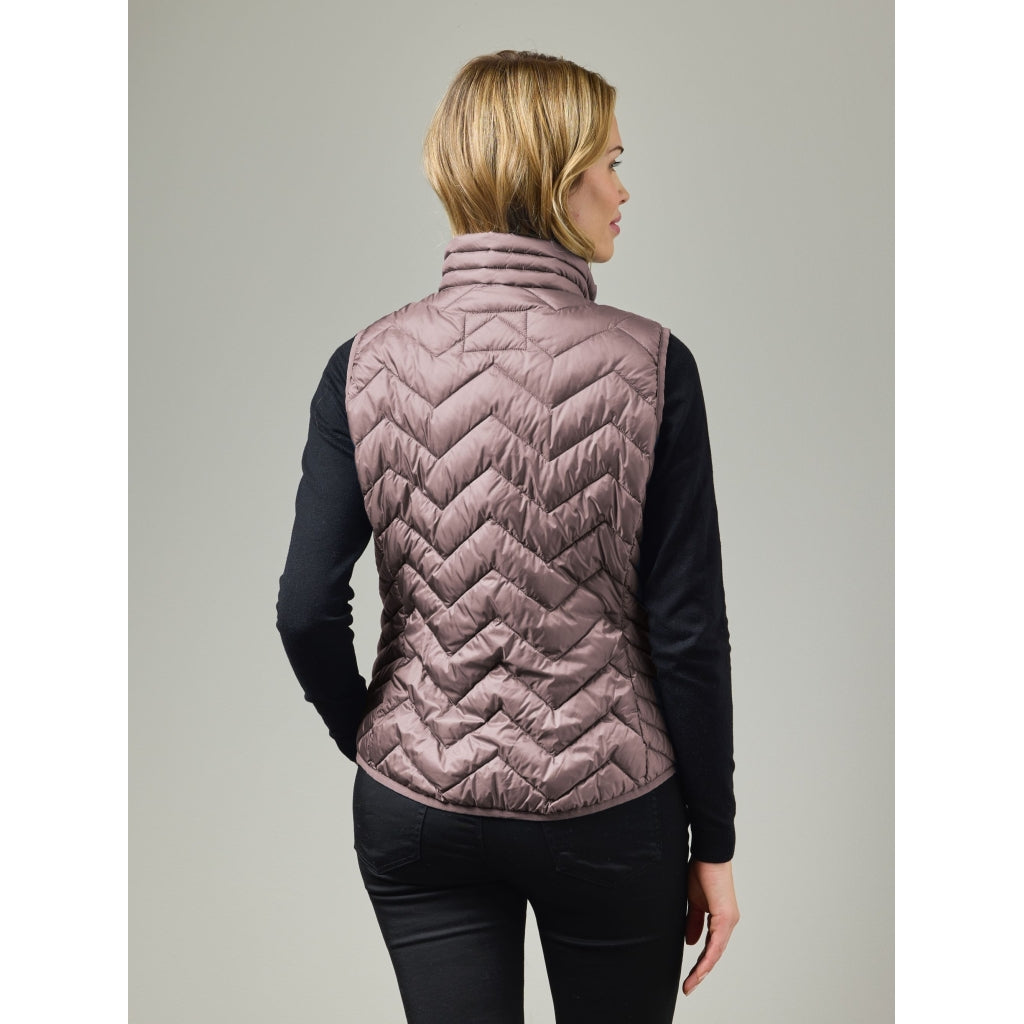
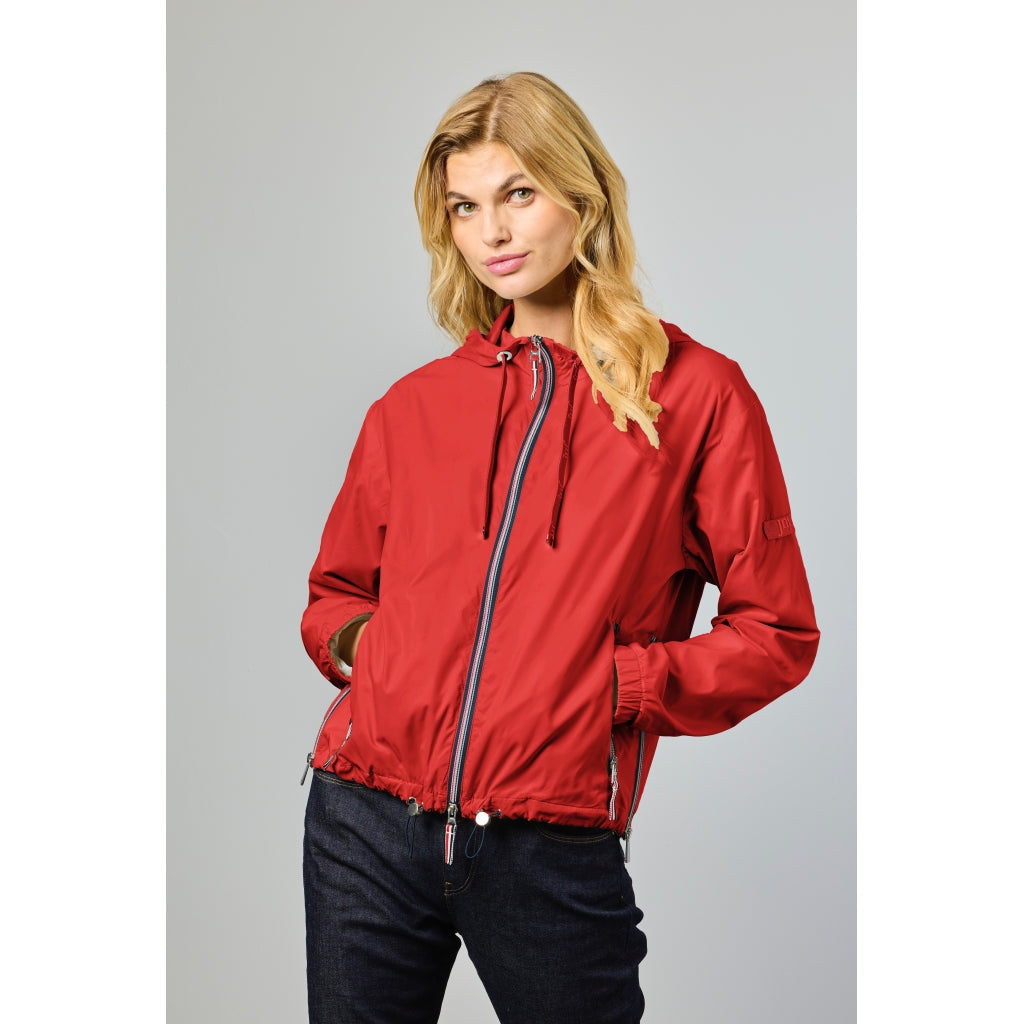
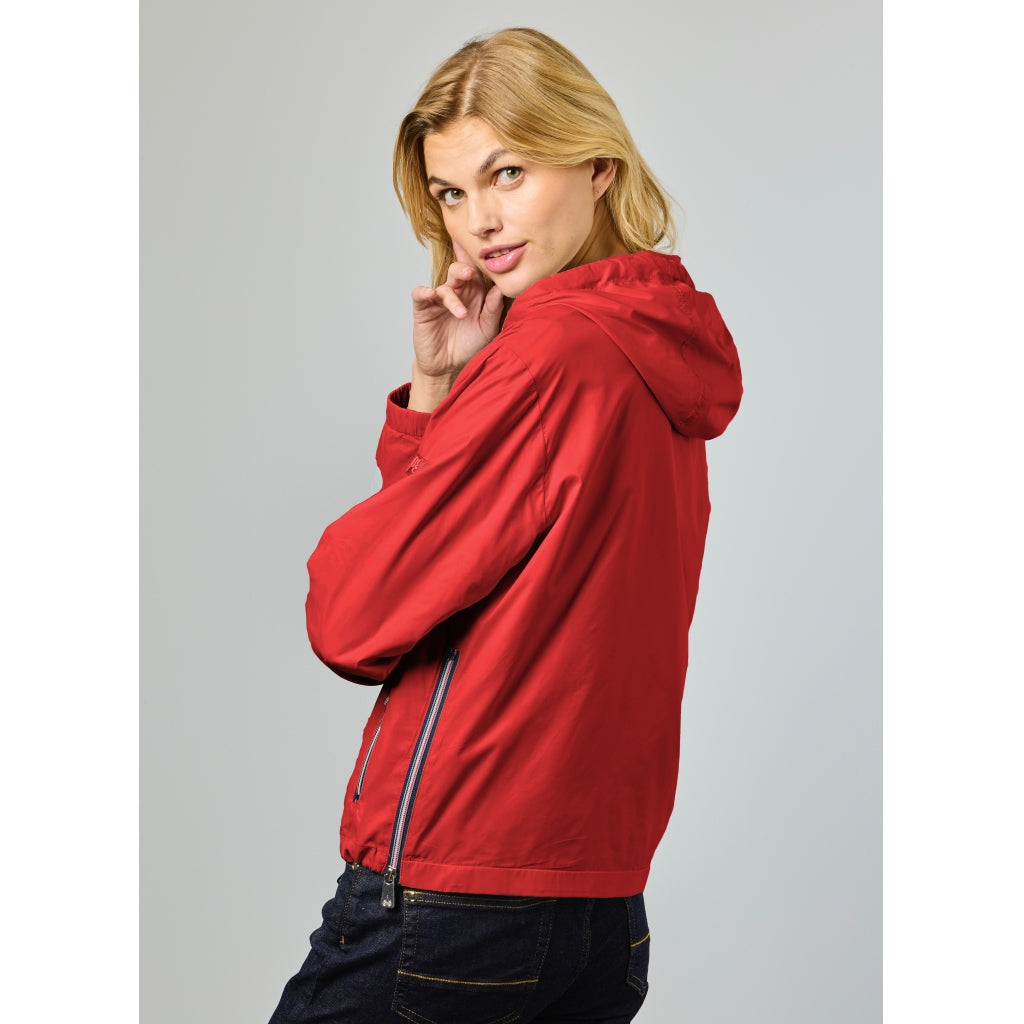
What characterises a women’s spring jacket?
A spring jacket is typically a lightweight to moderately warm jacket made for the period when the weather changes from day to day. In practice, this often means temperatures around 5–15 degrees, when you may encounter cool winds, a brief shower and sunshine on the same outing. Therefore, materials, layers and features are just as important as appearance. Many choose a style that is easy to wear with other layers underneath, does not feel heavy, yet still provides a sense of comfort when mornings are chilly. A good spring jacket should also work across everyday life, from short errands to commuting, and preferably have a construction that makes it easy to regulate warmth along the way.
Which type of spring jacket suits your needs?
The most important choice is what the jacket needs to do in your everyday life and how much “weather” it should protect you from.
A lightweight, unlined style is ideal for mild spring weather, when you mainly need an outer layer that completes the look and provides a little shelter. This type works especially well if you often move between outdoors and indoors, or if you want to wear a knit or blazer underneath without feeling bundled up. When temperatures rise further and even a lightweight spring jacket feels too warm, you can instead explore our summer jackets for women, designed to offer even less weight and more breathability.
A lightly insulated jacket is better suited to cool mornings and evenings, when you want to avoid getting cold but still want a jacket that feels flexible. Look for padding that provides warmth without bulk, so it remains easy to move around.
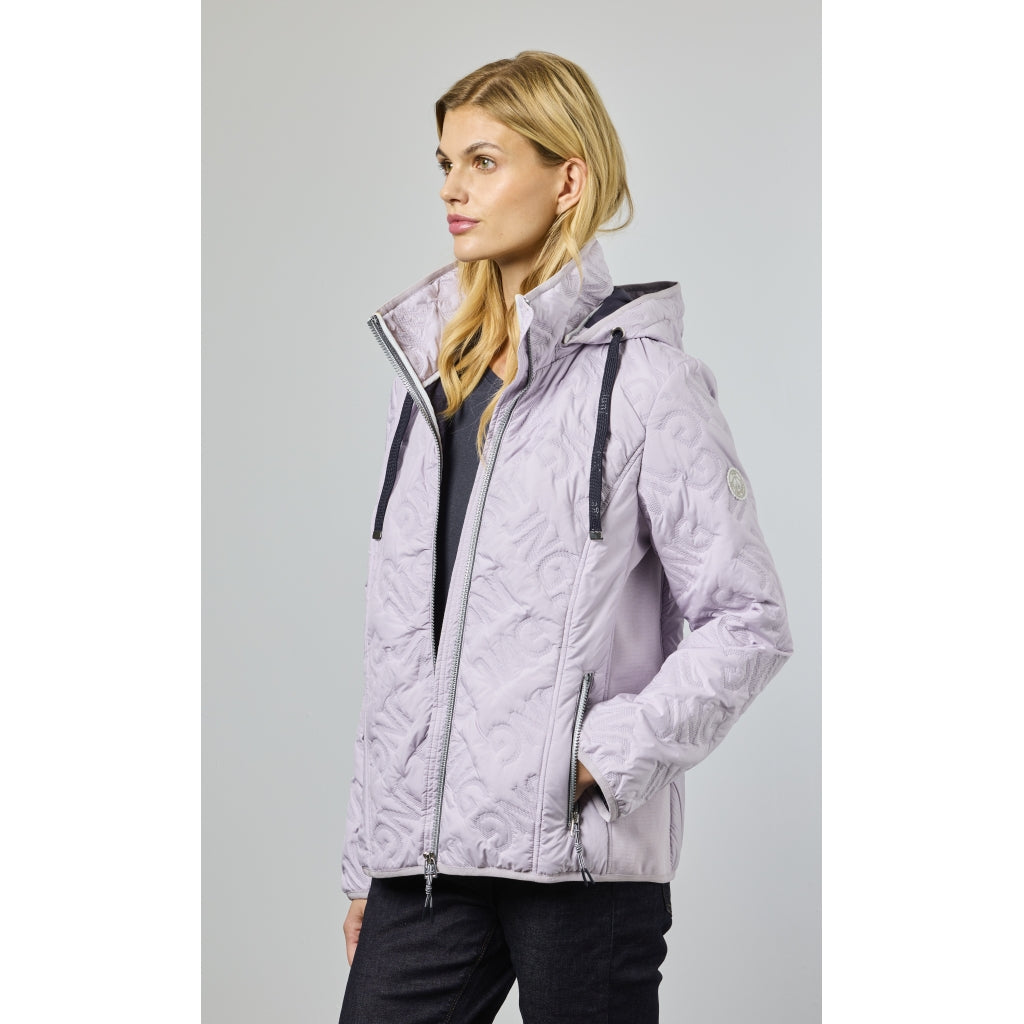
Quilted spring jackets sit somewhere in between. They provide consistent warmth and a distinct look, while still being lighter than classic winter outerwear. If you are often outdoors in windy weather, quilting can also feel more enclosed and comfortable.
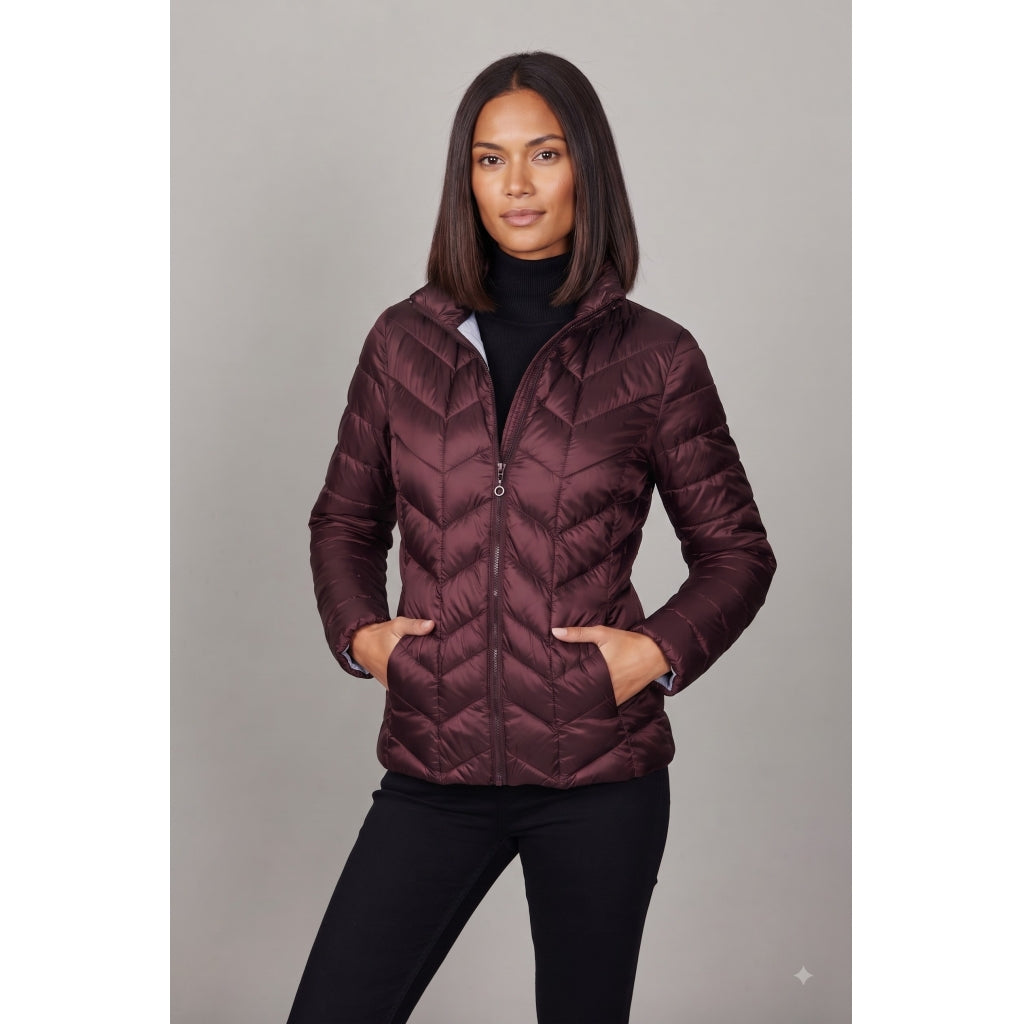
When you want extra warmth without the jacket becoming heavy, down, Sorona or other synthetic insulation makes sense. Down typically offers high warmth relative to weight, while Sorona and similar solutions can be a good choice if you want a lightweight, soft and more everyday-friendly insulation layer that works well for changeable days.
Cotton and cotton/nylon blends are often more about style and structure than “weather protection”. They are ideal if you mainly wear the jacket in the city, want a classic cut, and do not need full protection from rain. In return, they can be great for a layered look, as they often have a more structured shape.
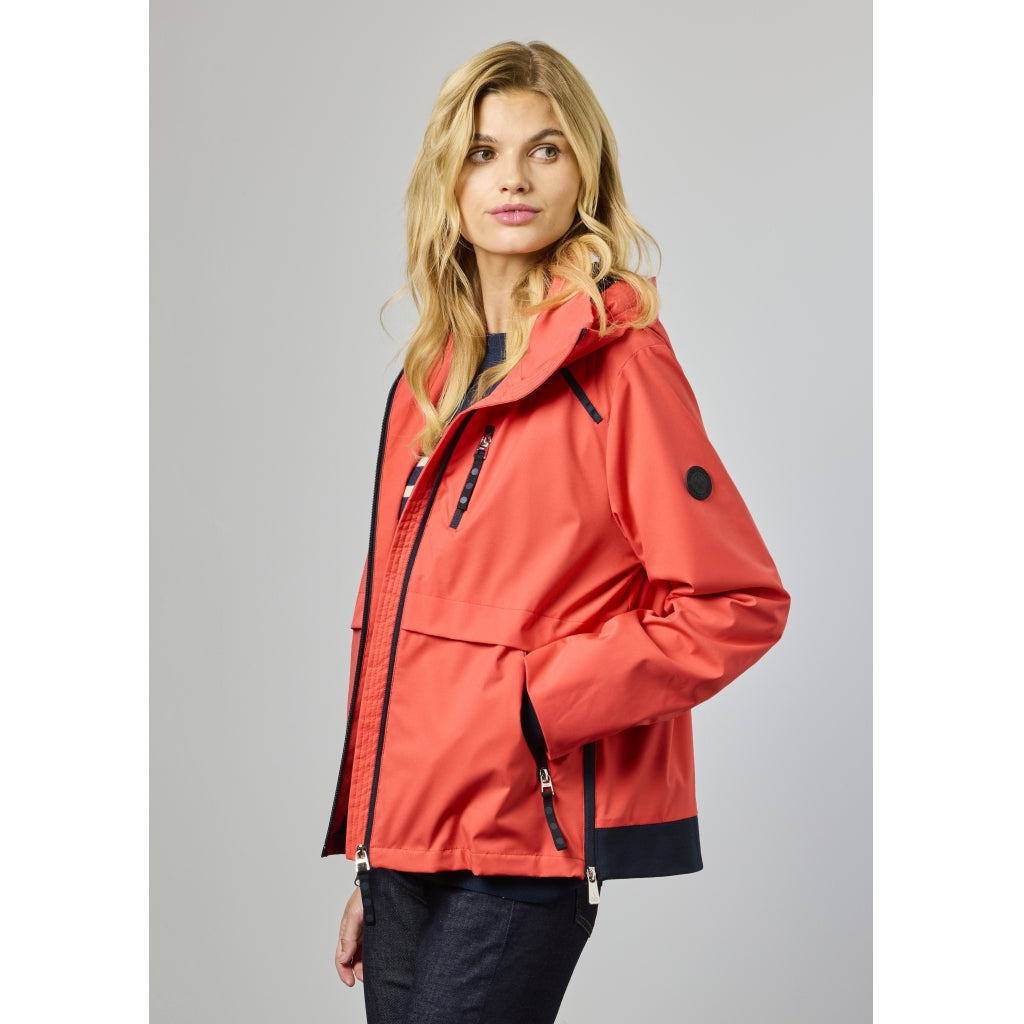
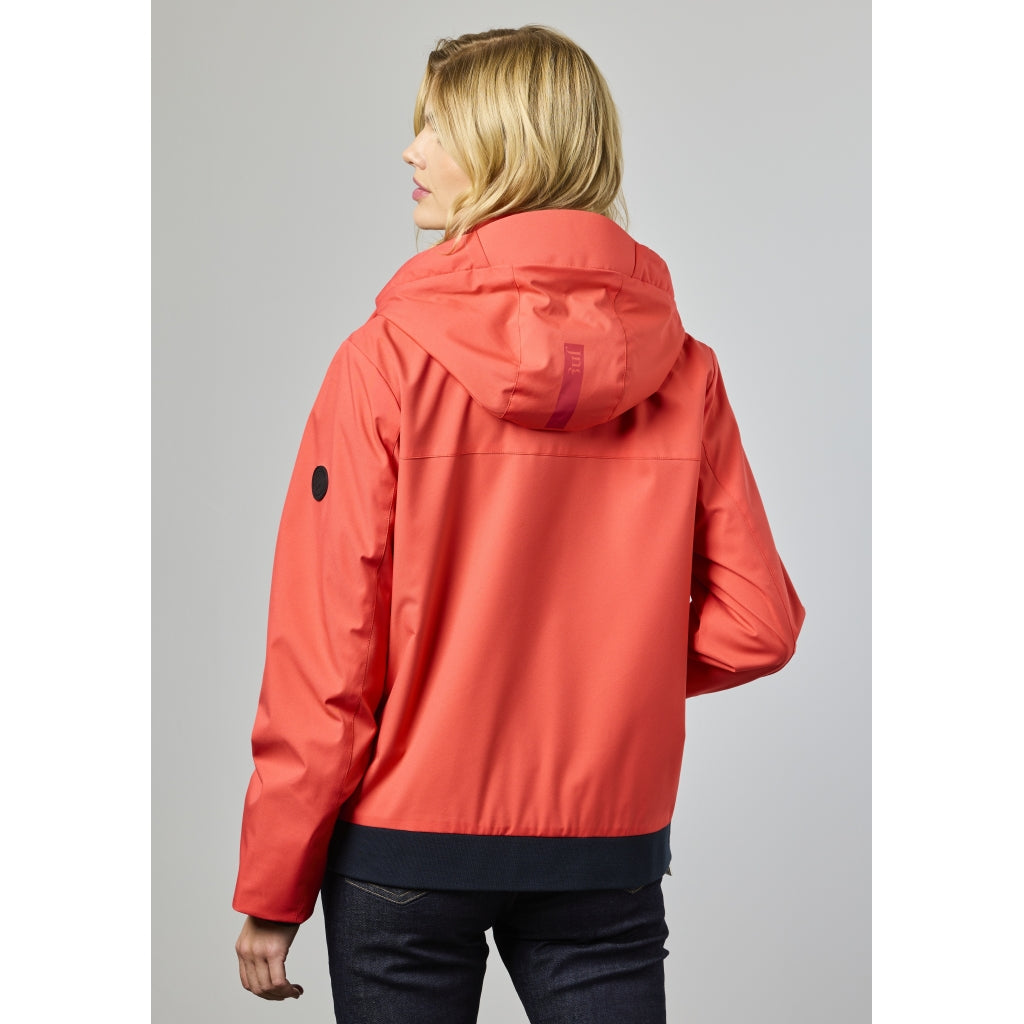
Water-repellent spring jackets are for those who want to handle light rain without thinking about it. Here, it is especially about surface treatments and construction that can repel moisture in everyday life.
If, on the other hand, you expect more persistent rain, cycle in windy conditions or want to be sure of staying dry on certain days, it is worth choosing more technical and waterproof transitional jackets with taped seams and high breathability.
For cooler spring days, when warmth and lightness are more important than maximum rain protection, you can instead explore lightly insulated down jackets and quilted styles for cooler spring days.
Long or short spring jacket?
Once you have chosen the type, the length is often what determines whether the jacket feels right for everyday wear. A long women’s spring jacket provides more coverage over the hips and thighs, which many prefer in wind and on cool days, especially if you walk a lot or wait for transport. The extra length can also create a calm, “put-together” look that works well for work and more formal outfits.
A shorter spring jacket, on the other hand, is typically easier to wear on the go. It offers greater freedom of movement, is well suited to cycling and often feels sportier or more casual. If you often move between outdoors and indoors, or tend to get warm, a short style can also be a more flexible choice because it is easy to air out and style in layers.
Ultimately, the choice is about how you use the jacket most. It is not about one length being “right”, but whether it suits your pace, your layers and the situations you most often encounter in spring.
Materials and features in modern spring jackets
Today, a spring jacket is not simply a matter of thickness, but of construction and material choices. Many styles are developed with technical solutions that make them more practical in changeable weather without feeling heavy.
A TPU lamination on the back of the outer fabric is one way of making the material more resistant to moisture and wind. Combined with a water-repellent treatment on the surface, this means that raindrops roll off instead of penetrating the fabric. More technical versions use measurable values such as 5.000 mm water column pressure and 5.000 g/m² breathability, indicating that the jacket can both withstand rain and transport moisture away from the body.
Insulation also plays a role in spring, especially on cool days. 90/10 down provides high warmth relative to weight and compressibility, while alternatives such as Sorona® insulation can deliver a lightweight and soft feel with a focus on comfort and freedom of movement. Both solutions are designed to provide warmth without making the silhouette heavy.
In addition, recycled polyester is often used in the outer fabric, lining and filling. This contributes to more resource-conscious production, while the material is durable and well suited to lightweight jackets. In more classic styles, wax-treated cotton may be used as a robust surface that provides a natural water-repellent effect and a more structured look.
Spring jackets in recycled and technical materials
Developments in outerwear mean that many spring jackets today combine lightweight construction with technical properties. Recycled polyester is widely used because it is both durable and can be incorporated into constructions with a breathable membrane. This makes it possible to create jackets that protect against wind and moisture without losing flexibility.
Taped seams are another element found especially in more advanced styles. Here, the seams are sealed so that water does not penetrate through the needle holes. This provides more consistent protection, particularly in persistent rain. At the same time, we work to reduce the weight in both lining and outer layers, so the jacket still feels lightweight and easy to move in.
For many, it is about balance. A jacket that can handle unsettled weather while still working for everyday wear, the office and city life. The combination of technical solutions and lightweight construction makes it possible to wear the same jacket in several situations throughout the season.
Fit and layering
The fit has a major impact on how a spring jacket feels in practice. In spring, temperatures often vary throughout the day, so it is an advantage to be able to adjust the layers underneath the jacket.
A more fitted style can create a sharp and elegant look, but often requires thinner layers underneath. A roomier fit leaves space for a knit or lightweight vest without the jacket feeling tight across the shoulders and arms. Freedom of movement is particularly important if you cycle, commute or are generally very active.
If you are unsure which silhouette best suits your body type and everyday life, you can read more in our guide to choosing between Modern Fit, Comfort Fit and Slim Fit. It explains the difference between the various cuts, making it easier to assess whether you prefer a more relaxed shape or a closer, tailored line.
Trends and colours in this year’s spring collection
Spring brings not only new temperatures, but also new shades and material interpretations. Classic tones such as navy, sand and off-white often return because they are easy to combine with the rest of the wardrobe. At the same time, seasonal colours are regularly seen adding freshness, whether muted pastels or more striking shades.
Silhouettes typically move between the simple and the functional, with clean lines combined with subtle technical details. This makes it possible to find a spring jacket that suits work, leisure time and more informal occasions alike.
If you would like an overview of style directions, colours and cuts in the current season, you can explore this year’s spring jacket trends and colours in 2026. Here, you will find inspiration for updating your wardrobe while choosing a style that suits both your needs and personal style.
Free shipping & exchanges
Danish family-owned for 80 years
Junge Cares - Recycled materials